What Makes a Strong Bicycle Accident Case in Denver?

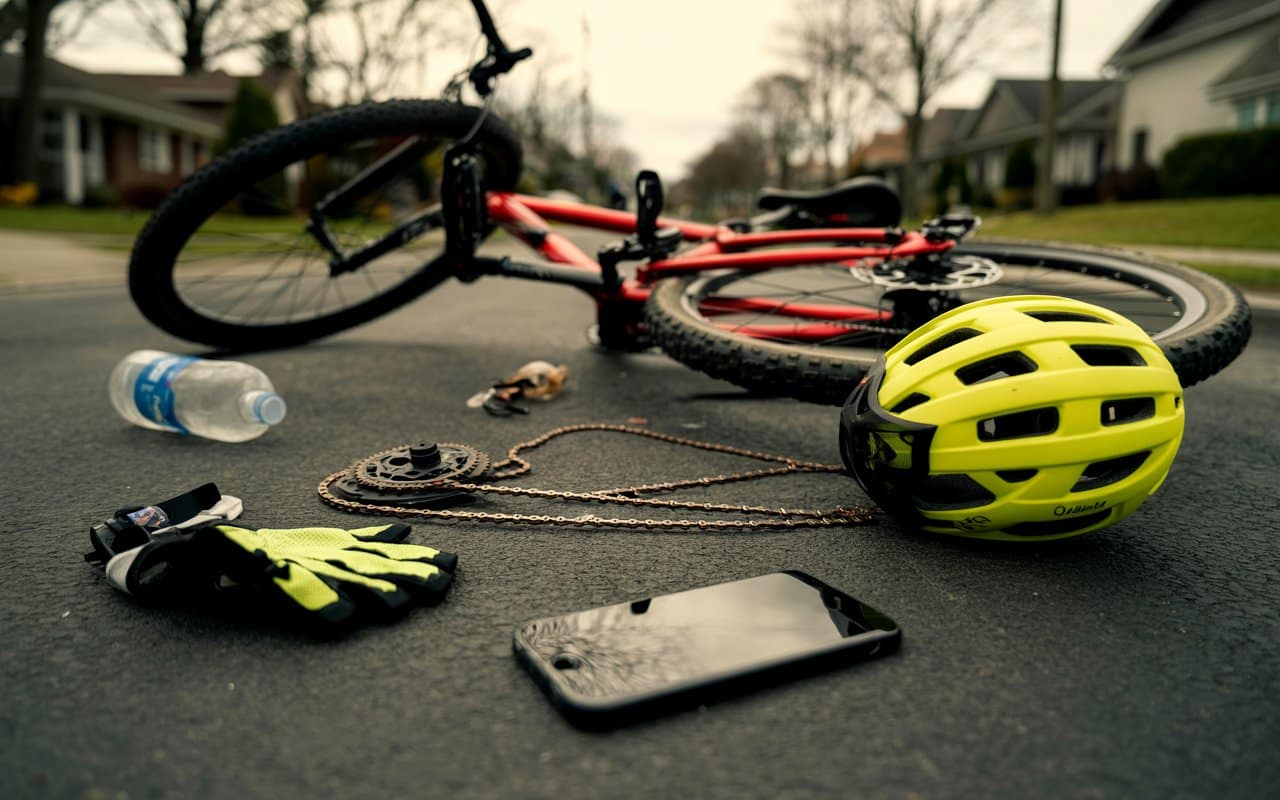
A bicycle accident case is rarely won by outrage alone. The rider may have suffered obvious injuries, the driver may have said something careless at the scene, and the crash may feel plainly unfair. None of that guarantees a strong legal claim. What makes a case strong, especially in Denver, is proof. Proof of fault, proof of injury, proof of losses, and proof that the facts hold together under scrutiny.
That matters because bicycle crashes often become argument-heavy cases. Drivers say the cyclist came out of nowhere. Insurers suggest the rider was hard to see, moved unpredictably, or ignored traffic rules. Even when liability seems clear in the first few hours, details can get muddy after a week, and much worse after a month. Tire marks fade. Surveillance footage disappears. Witnesses forget exactly which light was green.
A strong case is built early and built carefully. It combines street-level facts, medical records, bike damage, witness testimony, and an honest assessment of what happened. In Denver, where cycling is common and streets range from calm neighborhood corridors to fast-moving arterials, the strongest claims usually come from disciplined documentation rather than dramatic allegations.
The foundation is liability, not sympathy
The first question in any bicycle injury claim is simple: who caused the crash? A rider can be badly hurt and still face a weak case if fault is unclear. On the other hand, a rider with more modest injuries may have a strong claim if the evidence cleanly shows that a driver made an unsafe turn, opened a car door into the bike lane, drifted into the rider’s path, or ran a light.
Denver cases often turn on familiar patterns. A right hook happens when a driver passes a cyclist and then turns right across the rider’s path. A left cross occurs when a driver turning left misjudges the cyclist’s speed or fails to yield. Dooring cases remain common in urban areas with curbside parking. There are also collisions at trail crossings, alley exits, and intersections where motorists focus on cars and miss bicycles.
The law does not require a cyclist to be perfect. It requires proof that the other party acted negligently and that the negligence caused injury. That can mean failing to yield, driving distracted, speeding, opening a door without looking, or violating another rule designed to protect road users. A strong case frames the crash around specific conduct, not vague claims that the driver was reckless.
This is one reason experienced attorneys spend so much time on the scene itself. The lane layout, signage, signal timing, sight lines, parked cars, lane width, pavement markings, and even sun angle can matter. Two crashes may sound identical over the phone and look very different once someone studies the intersection.
Denver facts matter more than people think
A bicycle crash in Denver is not evaluated in the abstract. It is evaluated in the context of local roads, local enforcement, local insurance practices, and Colorado law. That practical setting shapes what makes a case persuasive.
Denver has invested heavily in bike infrastructure, but the network is uneven. Some corridors have protected lanes. Others use painted lanes that vanish at the exact point where conflict is most likely, near intersections and turn pockets. Many serious crashes happen where a rider is legally positioned but physically exposed. If a case can show that the cyclist was using the roadway in an expected and lawful way, it becomes much harder for a defense adjuster to paint the rider as unpredictable.
Colorado’s comparative fault rules also matter. A cyclist can still recover damages even if partially at fault, so long as the cyclist’s share of fault does not reach the legal bar that prevents recovery. In practical terms, that means insurers often work hard to assign blame to the rider. They may focus on lane position, lighting, speed, signaling, or helmet use, even where those issues had little to do with the collision. A strong case anticipates that strategy and answers it with facts.
It also helps when the claim fits common-sense expectations. If the physical evidence, witness statements, damage pattern, and medical timeline all point in the same direction, the case has traction. If those pieces conflict, the defense gets room to maneuver.
The best evidence is usually gathered in the first 48 hours
Time has a brutal effect on bicycle accident evidence. Denver businesses may overwrite video within days. Nearby homes with doorbell cameras often do the same. A bus camera, city camera, or private security system may capture the collision, but only if someone asks quickly and correctly.
The rider’s own photos are often more important than expected. A picture of the bicycle’s final resting position, the vehicle damage, broken lights, skid marks, scattered gear, and intersection controls can become central later. Even a blurry phone image can anchor an expert’s reconstruction if it shows where objects landed.
Strong cases often have some combination of the following:
- scene photographs taken immediately after the crash
- witness names and contact information
- a police report that identifies the driver and basic event sequence
- prompt requests to preserve video footage
- the damaged bicycle and gear kept in their post-crash condition
That last point gets overlooked. People naturally want to repair or replace a damaged bike. From a legal standpoint, it is usually better to photograph everything thoroughly and speak with counsel before making changes. The bend in a fork, scrape pattern on a frame, or damage to a helmet can say a lot about angle, force, and point of impact.
Medical records make or break value
An injury claim lives and dies by the medical story. The law may be about negligence, but settlement value often turns on treatment records, diagnosis, recovery time, and long-term impact.
The strongest bicycle accident cases involve prompt, consistent medical care. That does not mean an injured rider must rush to the emergency room for every scrape. It means that if there is pain, dizziness, numbness, weakness, limited motion, or any sign of more serious injury, the rider should get evaluated without delay. Waiting too long allows the insurer to argue that the injury was minor, unrelated, or caused by something else.
Cyclists sometimes downplay pain in the first day or two. Adrenaline does that. So does shock. A rider may finish the interaction with police, get home, clean up, and only later realize that the shoulder will not lift, the wrist is unstable, or the headache is getting worse. That is common. What matters is that the records tell a coherent story from the beginning.
In Denver bicycle cases, some injuries show up again and again: clavicle fractures, wrist fractures, shoulder tears, knee trauma, facial injuries, concussions, low back pain, and road rash severe enough to scar. More serious cases involve traumatic brain injury, spinal injury, pelvic fractures, or complex orthopedic repairs. What strengthens the claim is not just the diagnosis, but how well the records connect the diagnosis to the crash and document its effect on daily life.
A cyclist who misses work, cannot commute, cannot care for children normally, stops training, or struggles with sleep and concentration should make sure those facts are reflected somewhere reliable, whether in medical notes, a pain journal, or employer documentation. People assume that obvious suffering speaks for itself. It rarely does.
Credibility is part of the case value
A strong case feels trustworthy. That applies to everyone involved, especially the injured cyclist.
Insurers and defense lawyers look for inconsistency. If the rider tells the officer one thing, tells the doctor another, and posts something carefree on social media a week later, the defense will use it. If the rider says there was no prior shoulder issue but records show earlier treatment for the same shoulder, credibility takes a hit even if the crash still made things worse.
None of this means injured cyclists need to present as flawless. Real people have old injuries, imperfect memories, and uneven recoveries. The key is accuracy. Honest limits are more persuasive than inflated claims. A rider who says, “I could work, but only part-time for three weeks because turning my neck was painful,” is often more credible than someone who overstates every symptom.
This is one reason a seasoned Bicycle Accident Lawyer Denver clients trust will usually ask hard questions early. Were you wearing lights? Did you have earbuds in? Did you roll the stop sign? Were you between parked cars before entering the lane? Those questions are not asked to blame the rider. They are asked because a case gets stronger when potential weaknesses are identified and addressed before the insurer weaponizes them.
The police report helps, but it is not the whole case
People often treat the police report as final truth. It is not. It is important, sometimes very important, but it is one piece of a larger record.
A good report may identify the driver, note a citation, diagram the point of impact, list witnesses, and summarize statements. That can be helpful leverage in early negotiations. A bad report may misunderstand cyclist positioning, omit a witness, or flatten a complicated sequence into a couple of inaccurate sentences. Officers often arrive after the fact. They are reconstructing events from what they see and what people say in a tense moment.
A strong bicycle accident case can survive a weak report if there is better evidence elsewhere. Video, photographs, vehicle data, independent witnesses, and careful reconstruction can outweigh a flawed narrative. At the same time, when the report strongly supports the cyclist, the insurer has less room to deny or undervalue the claim.
Denver riders should also know that not every collision gets the same investigative attention. A high-injury crash involving a motor vehicle may generate more detail than a lower-speed incident with less obvious trauma. The absence of a perfect report does not end the case, but it means the rider or counsel must fill the gaps quickly.
Comparative fault is where many cases get discounted
A claim can be valid and still lose value if the insurer can argue that the cyclist contributed to the crash. This is where strong cases separate themselves from average ones.
Suppose a driver turns across a bike lane without yielding. That sounds straightforward. Now add that it was dusk and the cyclist had a rear light but no front light. Or https://www.flickr.com/people/204649828@N07/ the cyclist was traveling fast downhill and moved between a bike lane and a general traffic lane near the intersection. Or the rider was on the road shoulder where debris pushed the bike left at the wrong moment. Each added fact may not defeat the claim, but it gives the defense an opening.
Strong cases handle these issues head-on. They do not pretend imperfections do not exist. They show why the driver still had the last clear opportunity to avoid the crash, why the cyclist’s conduct was reasonable under the conditions, or why the alleged fault did not actually cause the impact.
That kind of argument often depends on details most people overlook. Was the cyclist already established in the lane? How long was the rider visible before impact? Did the driver use a turn signal? Was there a protected phase for one direction of travel? Was the driver looking at oncoming cars and not scanning for bikes? Did the vehicle strike the bike from the side, rear quarter, or front? Those small facts drive fault analysis.
Damages need proof, not rough estimates
Even if liability is strong, damages still need to be proved carefully. A successful bicycle accident claim in Denver typically includes several categories of loss, and each should be documented with discipline.
- medical bills and projected future care
- lost wages and loss of earning capacity
- bicycle and gear replacement or repair costs
- pain, impairment, and loss of normal life
- out-of-pocket expenses tied to treatment and recovery
The non-economic side of the case often carries the most dispute. Broken bones have bills attached to them. Lost work can be verified through payroll records. Pain is harder. So is the loss of cycling itself, which is often not just recreation in Denver. For many riders it is transportation, stress relief, exercise, social connection, and identity. When a crash takes that away for months, or permanently changes how a person rides in traffic, that loss should be described concretely.
A strong file does not say only that the rider “experienced pain and suffering.” It shows that the rider could not carry groceries by bike, had to pay for rideshares to work, missed a planned tour or race, stopped coaching a youth team, or developed persistent anxiety at intersections. Specifics have weight. Generalities do not.
Future damages require extra care. If the rider is likely to need surgery later, ongoing therapy, scar treatment, injections, or neurological follow-up, the case is stronger when those needs are supported by treating providers rather than speculation.
Serious injury cases often need experts
Not every Denver bicycle accident case needs a retained expert, but the stronger high-value cases often do. When fault is disputed or injuries are complex, expert analysis can move the case from argument to evidence.
An accident reconstruction expert may assess speed, visibility, movement paths, and impact mechanics. A biomechanical engineer may address how the body moved on impact, though that field has limits and should not be overstated. Treating physicians and specialists explain diagnosis, causation, prognosis, and permanent impairment. In a wage-loss case, an economist or vocational expert may help quantify future losses.
Experts are not magic. They are tools. If the facts are thin, an expert cannot invent certainty. But in the right case, expert work can sharpen a claim enough to force a more realistic settlement posture.
Consider a common urban crash where a driver says, “I never saw the cyclist.” That statement can cut both ways. Sometimes it helps the defense by suggesting the rider was outside the driver’s reasonable field of view. Other times it supports negligence because the cyclist was there to be seen. A reconstruction built from video timing, sight lines, lane widths, and vehicle position can answer that question far better than instinct.
Gaps and mistakes that weaken an otherwise good claim
Some weak cases begin strong and then fade because avoidable mistakes make proof harder. The pattern is familiar.
A rider feels embarrassed and declines ambulance transport despite obvious injury, then waits three weeks to seek care. Another has great photos but repairs the bike immediately and throws out the cracked helmet. Someone else gives a recorded statement to the insurer while medicated and guesses about speed and distance. A witness leaves a first name only and cannot be found later. A business camera that covered the intersection is overwritten because nobody sent a preservation request.
There is also the social media problem. A single smiling photo at a family event does not disprove injury, but insurers routinely strip context from online posts. The rider who needed pain medication and left early may still look “fine” in one image. Strong cases avoid creating unnecessary noise.
Another issue is overreaching. If every symptom is described as catastrophic, the claim can lose credibility. Jurors and adjusters know that recovery is often uneven. They respond better to a measured, well-supported account than to sweeping claims that do not fit the records.
What injured cyclists should do right away
The hours after a crash are chaotic, but a few decisions can dramatically improve the strength of a future claim.
- get medical attention if there is any sign of significant injury
- photograph the scene, the vehicle, the bike, and visible injuries
- collect witness names and contact information if possible
- preserve the bike, helmet, clothing, and lights in their damaged condition
- avoid giving detailed recorded statements before understanding the injuries and facts
Those steps are not about gaming the system. They are about preserving reality before it disappears.
Why legal strategy matters even when fault seems obvious
Many cyclists assume that if the driver got a ticket, the insurer will pay fairly. That is often not how it works. Insurance carriers evaluate risk, not morality. They look for uncertainty, leverage, and discount opportunities. Even in clear-fault cases, they may downplay treatment, challenge medical necessity, argue preexisting conditions, or frame the rider as largely recovered before the real picture is known.
A strong case is not just one with good facts. It is one presented in the right sequence, with the right evidence, at the right time. That may mean waiting until treatment stabilizes before making a full demand. It may mean obtaining additional imaging, employer records, or specialist opinions. It may mean identifying all available insurance coverage, including underinsured motorist coverage if the driver’s policy is too small for the losses involved.
This is where the choice of counsel can materially affect the outcome. A lawyer who regularly handles bike cases understands more than personal injury theory. They understand crash dynamics specific to riders, common defense narratives against cyclists, the significance of bike infrastructure, and how a damaged bicycle itself can become evidence. A Bicycle Accident Lawyer Denver riders hire should be prepared to discuss lane positioning, signal phases, visibility, helmet issues, comparative fault, and the practical realities of recovering after a cycling injury in this city.
The strongest cases are coherent from start to finish
If there is one feature that nearly all strong bicycle accident cases share, it is coherence. The liability facts make sense. The physical evidence matches the story. The medical records begin promptly and progress logically. The claimed losses are documented and proportionate. Weak spots are acknowledged and addressed rather than ignored.
That coherence does not happen by accident. It comes from careful documentation, honest reporting, and strategic case development. In Denver, where bicycle traffic is part of daily life and crash scenarios are often shaped by specific infrastructure and traffic patterns, details matter. The strongest cases are usually the ones where someone took those details seriously from the beginning.
For injured riders, that can make the difference between a claim that feels compelling and one that is actually provable. In the legal system, provable is what counts.